
I think I have cancer

Like you, lots of people are also searching ‘I think I have cancer’. You’ve come to the right place, find out about what to do if you’re worried you have cancer, including getting the right information, who to talk to, and how to talk to your GP.
What to do if you think you have cancer symptoms
- Cancer is rare in young people, but it’s always worth getting anything unusual checked
- There’s lots of useful info online, but only an expert can give you advice based on what’s happening for you
- If you’re worried, and think you have cancer don’t keep it to yourself. Talk to someone you trust.
Getting the right information about cancer
You know your body better than anyone. If you’ve noticed anything different then it’s always worth speaking to your GP.
The most common signs of cancer in young people are:
When you’re worried about your health it’s tempting to look online for more information. There’s lots of really useful information out there but it’s also important to be careful and know how to find information you can trust. Our website is a good place to start and you can use the tips below if you’re looking for more information.
Look for information that is:
- From a UK-based organisation – healthcare systems are different around the world and it might be confusing to read something from another country
- From another healthcare charity. Lots of charities have specialist information about specific types of cancer
- Accredited with the PIF Tick. This logo means the information has been through a thorough production process to make sure it’s accurate and you can trust it. You can see the logo at the bottom of this page!
Everyone is different, so only an expert can give you advice based on what’s happening for you. Using the links below you can find out more about the signs of cancer, what causes cancer and how you might be diagnosed with cancer.
If you are worried about your health, try not to keep it to yourself – talking to friends and family can really help. So can talking to a professional, like your doctor or a nurse at your school, university or a walk-in centre. Find advice on going to the GP here.
Cancer in young people is rare. But it is still very important to be sure. The NHS has made a commitment to offering high-quality cancer care to young people – and that includes diagnosing it quickly and talking to you about what’s going on in a way that you understand.
If you see a doctor or nurse and don’t feel you’re being taken seriously, keep trying. Book another appointment. Take someone with you. See another doctor. And never feel bad about asking to be listened to.
This page was reviewed in October 2024. It will reviewed again in October 2027.
Most common signs of cancer in young people
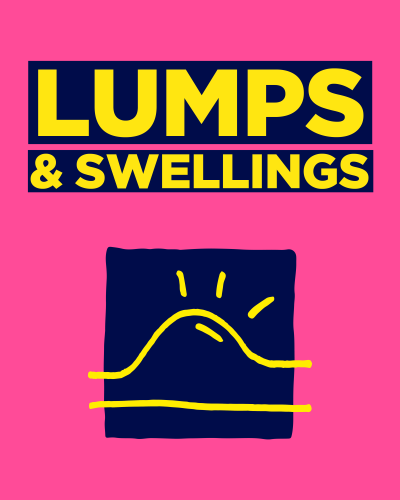
Lumps and swellings
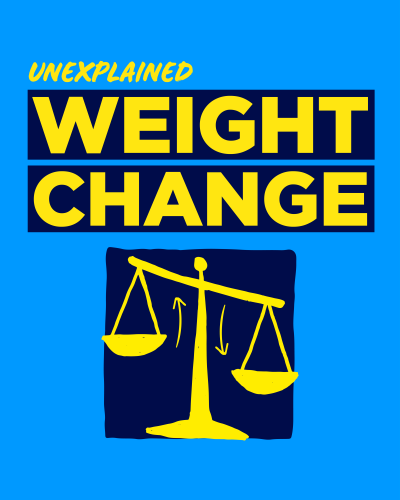
Unexplained weight change
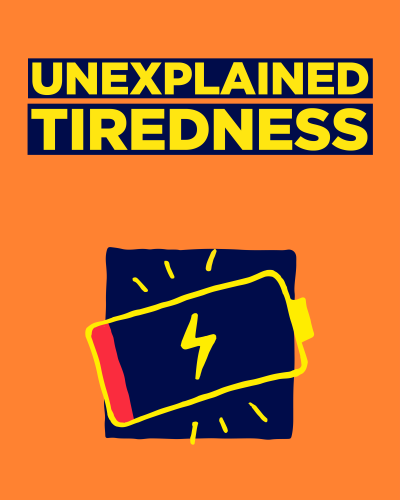
Unexplained tiredness
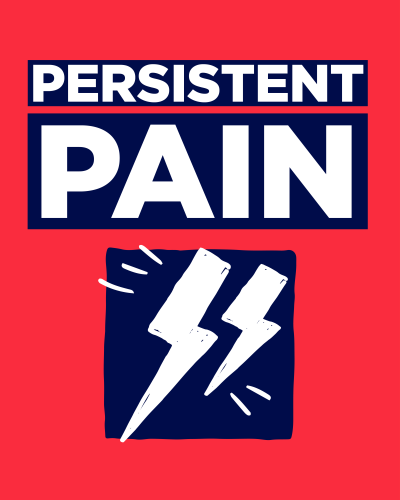
Persistent pain
Mole changes
Tips and resources for people worried about cancer
PIF TICK accredited information
The Patient Information Forum is the UK membership organisation and network for people working in health information and support. The PIF TICK is the UK-wide Quality Mark for Health Information.