
Welsh elections 2026
Ahead of the Senedd elections on 7 May, Teenage Cancer Trust is urging the next Welsh government to introduce a long-term cancer strategy that considers the needs of young people who’ve had a cancer diagnosis aged 13-24. Wales has some of the worst cancer outcomes in Europe, so we’re calling for urgent action ahead of the next Welsh elections.
You are viewing: Wales needs a dedicated cancer strategy
Why Wales needs a dedicated cancer strategy
Wales’ approach to cancer care isn’t working
Every few hours, a young person in the UK hears the words “you have cancer.” In Wales, that equates to around 90 young people every year. Although this number may seem small, cancer kills more teenagers and young adults in the UK than any other disease.
If you’re that young person, from the moment you begin to experience symptoms, you could face additional challenges compared to children or adults. You might find to harder to get diagnosed, or you could face extra barriers when trying to access potentially lifesaving treatment.
You might find it harder to get diagnosed or to access clinical trials, many of which are open to either children or adults but not those in between.
Meanwhile your identity, your body and even your brain are still developing. Without the right support, the impact of cancer at such a critical time in your life could leave you struggling emotionally and psychologically for years to come.
Wales is the only UK nation without a dedicated cancer strategy
Wales suffers from some of the worst cancer outcomes in Europe, and is now the only UK nation without a dedicated cancer strategy. Meanwhile cancer rates in young people have increased by a quarter since the early 1990s and are still rising.
As the Welsh Parliament election approaches, it’s time to ensure that the system works for young people right across Wales. So we’re urging candidates to get behind a long-term cancer strategy for Wales - one which includes recognition of the unique needs of young people at its heart.
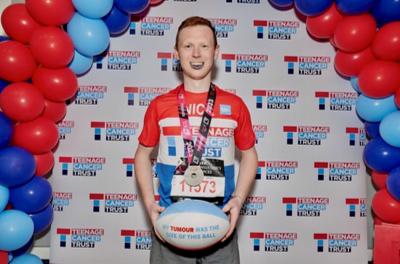
Nick, who was diagnosed with Hodgkin lymphoma aged 22, talks about his experience and the realities young people with cancer face in Wales.
“Waiting two and a half months for a diagnosis had serious consequences for me personally. GP waiting lists and lack of access to primary care urgently need to be addressed. In some ways I was fortunate; I know a young man in West Wales who waited six months for a diagnosis.
“I don’t think I was taken seriously because I was young. Many GPs think, ‘Oh, it can’t be cancer; he’s too young.’ But that needs to change. There needs to be a specific strategy for young people. Take mental health, for example: on diagnosis, young people have so many questions and are going through so many life changes, but the level of mental health support offered is not nearly enough. Mental health care should be accessible to all young people who need it.”
What can I do?
How to to take action before the next elections in Wales
If you want to see change in Wales for young people with cancer, you can contact your local candidates and ask them to:
- Prioritise the needs of young people with cancer by publishing a cancer strategy that is built in partnership with cancer charities, and has a specific focus on teenagers and young adults with cancer.
- Back the work of Teenage Cancer Trust in delivering vital specialist support and services that help young people throughout their cancer experience.
Together we can ensure a better future for young people with cancer in Wales.
#AndYoungPeople
Why we launched #AndYoungPeople
There’s one phrase we say more often than almost any other: “and young people”. Teenagers and young adults are often overlooked in conversations about cancer care – and it can have drastic consequences. That’s why in April 2025, we launched our #AndYoungPeople campaign, petitioning the government to ensure teenagers and young adults with cancer were included in the National Cancer Plan for England.
In February 2026, the government included young people’s needs in its National Cancer Plan for England, addressing key issues such as mental health support, access to clinical trials and delayed diagnosis. In Wales, we are working hard to emulate the progress this campaign has made and ensure no young person faces cancer alone.