
Ramadan and cancer treatment
On this page you can find out more about Ramadan, fasting and how your experience might be impacted if you’re going through cancer treatment.
In 2026, Ramadan is expected to start Tuesday 17 February. It lasts for 29 or 30 days and is likely to finish around Sunday 18 March.
- During Ramadan, Muslims won’t eat or drink anything between sunrise and sunset – known as fasting.
- However, some people aren’t expected to fast during Ramadan, including if you’re having cancer treatment.
- Everyone’s cancer experience is different, so it’s always best to ask your care team about your individual situation.
What is Ramadan?
Ramadan is the ninth month of the Islamic calendar, and a holy period of worship for Muslims worldwide.
During Ramadan, Muslims won’t eat or drink anything between sunrise and sunset. This is called ‘fasting’.
Muslims will eat before sunrise to prepare for the day ahead. This is called ‘Suhoor’. For a lot of people this will mean getting up in the very early hours of the morning to eat and do their morning prayer.
People will break their fast when the sun goes down. This is called ‘Iftar’.
When is Ramadan?
In 2025 Ramadan is expected to start Friday 28 February. It lasts for 29 or 30 days and is likely to finish around Sunday 30 March.
Ramadan takes place during the ninth month of the 12-month Islamic calendar.
Ramadan dates change each year, because for religious reasons, Muslims follow a lunar calendar based on the phases of the moon. Ramadan moves backwards by around 11 days every year.
Fasting and cancer
Some people aren’t expected to fast during Ramadan.
This can be for many reasons and includes children who haven’t gone through puberty, people who are pregnant, elderly people, people who are on their period and those who are ill (including mental health reasons).
This means that if you’re a young person going through cancer, you are not expected to fast during Ramadan.
There is a chance that fasting while you’re having cancer treatment could put your health at risk. This can depend on things like the type of treatment you’re having, how long you’ve been having treatment, and any other side effects or medical conditions you might have.
If you’re thinking about whether to fast during Ramadan, it’s really important that you speak to your care team beforehand.
As with all parts of your treatment, they know your individual situation best and can advise on what’s safe and healthy for you.
When does Ramadan end?
Ramadan lasts 29 or 30 days and is expected to end on Sunday 30 March in 2025.
Eid, or Eid al-Fitr, is celebrated at the end of Ramadan. The name translates as “the festival of the breaking of the fast”.
People might go to their mosque first thing on Eid, and lots of people will celebrate with big meals with their families and friends.
People will make donations to charity during this time, and in some countries the day is a public holiday.
You might hear the greeting ‘Eid Mubarak’ said during this time as well.
This page was reviewed in February 2025. It will be reviewed again in February 2026.
Cancer, Ramadan and Eid: young people’s experiences
Faaiza was diagnosed with cancer aged 18. She speaks about her experience, and how her faith helped her through.
“I was advised by my doctor not to fast the year following my treatment, which made sense as my body was still recovering from the chemotherapy and surgery I’d had not long before Ramadan.
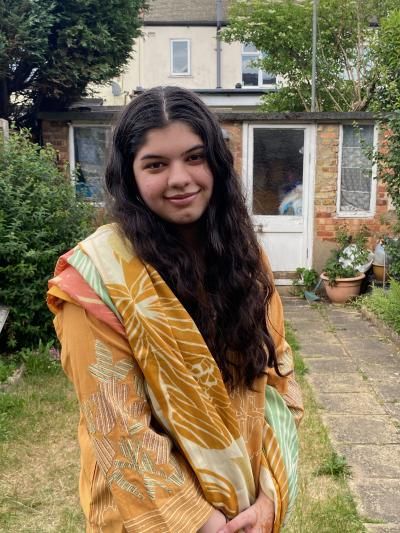
“Although I knew I probably was not medically fit to fast, it was disappointing to have it confirmed by my doctor.
“My faith was something that kept me motivated and helped me get through my cancer treatment, and so not being able to fast was upsetting, as I wanted the opportunity to deepen my faith and show my gratitude for getting through such a tumultuous journey.
“Not being able to fast that year was also a reminder of what I’d been through. More importantly, it served as a reminder of how I had to pause my life to get the treatment I needed to get better.
“This reminder, although upsetting and frustrating, allowed for a greater sense of gratitude and appreciation towards life and being able to experience another Ramadan, despite not being able to fast.
“While not being able to fast was frustrating, I turned to other means to deepen my spiritual connection and work towards self-improvement. This included praying, donating to charity, reading the Quran, and doing good deeds such as helping prepare food for the fasting members of my family.”
Ramadan is a constant reminder of what I have been through, and how my faith helped me overcome such a difficult journey.
Being unable to fast during Ramadan because of cancer, or missing out on celebrating Eid like you normally would, can be difficult. Hearing from other young people who’ve been through a similar situation can help.
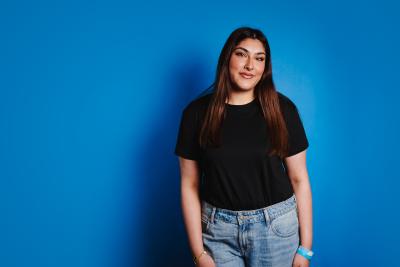
Mariam finished cancer treatment in 2021 just one month before celebrating Eid. She very kindly shared her experience on our Instagram page for anyone going through cancer treatment during this time of year.
She says: “The only word that I could choose to describe it is surreal. It was such a crazy experience, and I really valued having that time with my family and friends and celebrating all together.
“It was something that meant a lot to me after going through treatment when at times didn’t think that I’d make it through.”
My advice to anyone else going through treatment is just to cherish the good moments.