
I wanted my friends to support each other – my diagnosis affected them too

Ben
Three years ago, aged 21, I was diagnosed with a brain tumour. A lot of people with brain tumours have headaches and other symptoms. I didn’t have any of that. I had one seizure which sent me to hospital.
I didn’t want everyone to pretend they were fine
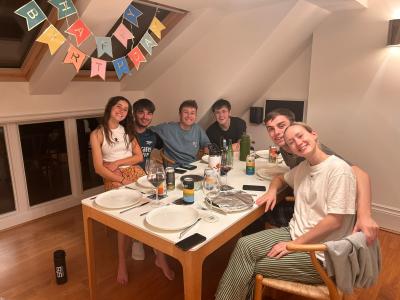
It was very difficult to know how to tell my friends that my tumour was more serious than was initially thought. When I did speak to them, it was hard, but they were so supportive. It was one of those things you can try and prepare for, but you just don’t know how it will go. They were all great.
Everyone was supporting me and worrying about me, but I was conscious that they weren’t worrying about each other. Everyone felt that they had to act like they were fine, which I didn’t want.
I wanted my friends to still talk to me about their problems and talk to me if my diagnosis affected them, too. I thought: ‘Just because this is happening to me, it doesn’t mean that it doesn’t affect other people.’
Small talk became difficult
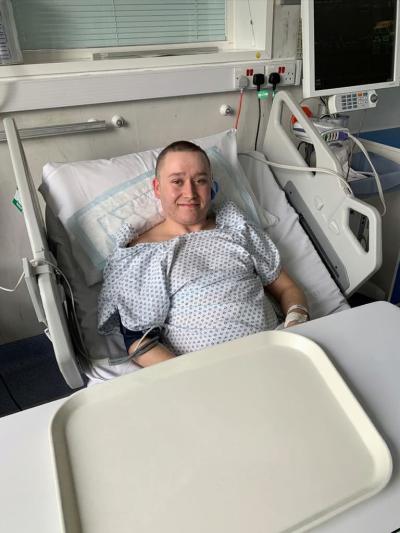
One of the big worries I had throughout everything was being treated differently. I didn’t want sympathy and felt patronised by certain people. I always wanted to get on with it and have my life as normal as possible.
Sometimes it became quite difficult with small talk, for example at a birthday party. A typical question is: ‘What do you do?’ I didn’t want to ruin someone else’s evening, or mine, by talking about why I wasn’t working at the time. Now it’s slightly easier because I’ve gone back to work at a pub I was working at before treatment.
After my year of treatment, the scans have been good. I’ve been feeling healthy and more confident. I’d say the hardest thing is communicating that fact to other people.
Asking my uni for reasonable adjustments felt like a negotiation
One of the hardest things throughout my experience was finishing my degree and dealing with the university. I was disappointed with them through the process. Asking for any reasonable adjustments felt like a negotiation, rather than them going out of their way to help me. They essentially said if I wasn’t ready to complete the work, I should wait until I was.
I had one module left to finish for my final year, which I tried to complete while I was on treatment. I struggled with it too much, so I decided not to finish. When I made this decision, I was put in contact with someone at the Queen Elizabeth hospital, who is the educational lead handling schools and unis.
She pushed the uni and later in the year they admitted that there had been more options available to me, that I wasn’t told about, which would have made the process easier. They apologised and said they weren’t proactive enough in supporting me.
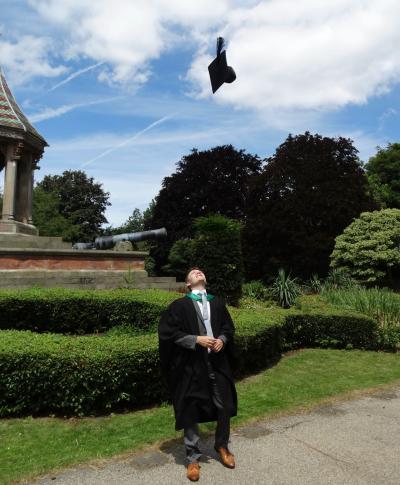
I was able to graduate with an aegrotat degree, which is awarded when a few modules aren’t completed because of a very serious illness. It felt great to finally finish, but if I’d known about that option before, I would have never tried to complete my work while on treatment.
I don’t blame most of the people, because they were nice and wanted to help me. I just think they weren’t prepared for something so serious to happen, and so suddenly. I think it was a lack of awareness about what to do. They were really slow to process what was going on with me.
I think some problems and stresses that come with having cancer as a young person, such as schools and uni, are not taken seriously enough. There isn’t always enough awareness of how to help.
Teenage Cancer Trust’s support has been invaluable
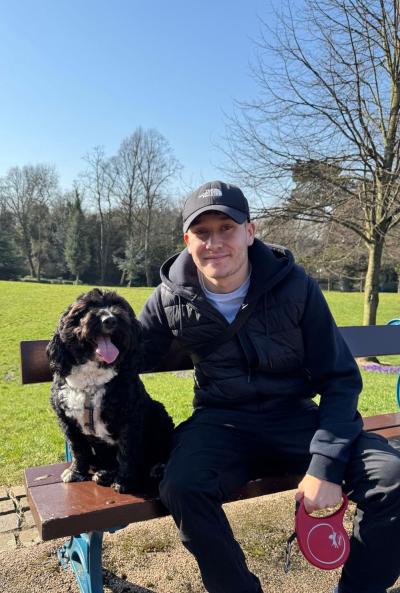
A Teenage Cancer Trust nurse came to see me while I was in radiotherapy and put me in contact with the charity. They also put me in contact with a Teenage Cancer Trust Youth Support Coordinator, Cathy, who I’m still in touch with now.
Youth Support Coordinators like Cathy send monthly texts checking in on how you are, and offering opportunities you can get involved with. Teenage Cancer Trust is the only charity who does that, and it’s invaluable.
Other charities come in at the start of treatment with a lot of information, but then if you don’t engage with them, you don’t really hear from them again. This is fine in a way, because I didn’t want to be bombarded constantly with information. But when I got to the end of my treatment, I found it hard. I wanted to do something helpful and I didn’t want to just pretend nothing happened.
I wanted to use my experiences in a positive way, so I spoke to Cathy and she recommended joining Teenage Cancer Trust’s Youth Advisory Group, which I’ve really enjoyed. I get to see the charity working hard to incorporate the opinions and ideas of young people with diverse experiences of cancer.
It has been a massive positive in the last year after treatment because I feel like I’m helping other people, and it’s allowed me to reflect on my experience in a way that I hadn’t really thought of.