

Still me: Body image and cancer
Cancer, and cancer treatment, can change the way your body looks, and that can affect how you feel about yourself. This can be really tough to deal with – but there are things that can help, and people who can support you.
You are viewing: About Still Me
- Cancer and treatment can cause a number of visible changes which could impact your confidence and self-image
- Not everyone will go through permanent changes, but even short-term changes can affect how you feel about yourself
- Whatever happens, it’s important to remember that you’re still you
- On this page you’ll find out more about how cancer can change how you look, and information on how to cope – you’ll also see quotes from other young people who’ve been through it
About #StillMe
Cancer might change the way you look, but it can't take away who you are.
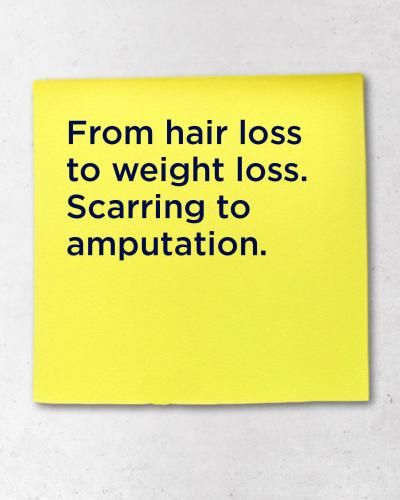
What is body image?
Body image is how you see yourself, how you think and feel about your own body. It can also be about how you believe other people see you.
Body image is important because it can be closely linked to your confidence, self-esteem and identity. It can impact how you feel about yourself and your relationships with others.
It’s normal to spend lots of time thinking about how your body looks, especially as a teenager or young adult. It’s also completely natural to worry about your appearance sometimes.
It can be tough if cancer or treatment changes how your body looks or feels. And especially if you’re diagnosed at a time when you’re still exploring who you are and how you want the world to see you.
The illness doesn’t make you any less beautiful.
How does cancer change your appearance?
Changes to your appearance during cancer can happen as a result of the cancer itself, or can be linked to side effects of chemotherapy or other cancer treatments.
Not everyone with cancer will go through these changes – it depends on the type of cancer you have and the type of treatment you’re having. Lots of these changes are temporary, and you can always speak to your care team about what to expect and ways to manage any changes.
Hair loss
Chemotherapy, radiotherapy and other cancer treatments can cause some or all of your hair to fall out or get thinner.
This can affect the hair on your head, but also your eyebrows, eyelashes and body hair. It will usually start growing back a few weeks after your treatment finishes.
Find out more about hair loss and cancer treatment.
Weight changes
You might find that you lose weight during cancer. This can be a symptom of the cancer itself. But it can also be linked to side effects from treatment, such as losing your appetite, changes to your taste, mouth problems, difficulty swallowing, or constipation or diarrhoea.
You might also find that you gain weight. This can be a result of steroid medication, or other types of cancer treatment.
Skin or nail changes
Some cancer treatments can affect the appearance or condition of your skin or nails. This can include your skin becoming dry, sore, itchy, or more sensitive to sunlight. You might find that your nails grow more slowly or break more easily. You might also notice changes to the texture of your nails.
If you develop a rash, let your care team know straight away. This could be a sign of infection, and it’s important to get the right treatment as quickly as possible.
Scarring and changes due to surgery
If you need surgery as part of your cancer treatment, you may have scarring or other visible changes to your body afterwards. This could include needing to have a central line put in. Your surgeon and care team will always try to reduce the amount of scarring as much as possible.
There are lots of products that can help with scarring and encourage them to fade over time. They usually become less noticeable over time.
Losing a part of your body (amputation)
You might need to have a limb, or a part of your body removed in order to treat your cancer. This is sometimes called amputation.
This can be an especially big change to come to terms with. Remember your care team are here to support you through it, practically and emotionally – and that it doesn’t define who you are.
Read more about Abbie’s experience of amputation and how she wants to inspire others.
Other ways cancer can change your body
As you go through cancer and treatment, it’s likely that you’ll also experience changes to how your body works, or how you feel physically. This might include things like fatigue, brain fog or any impact on your fertility.
These changes might not be visible to other people, but they can still have a big impact on you. Head to our page on your body during cancer treatment to find out more about managing these changes.
You’re not going to look like the way you do now forever and can get back to being you.
Body image after cancer treatment: how you might feel
When you’re going through cancer, there can be times when your body hardly seems like your body anymore. It’s normal to have complicated and difficult feelings about the ways that cancer or treatment changes your body.
You might feel:
• less confident in your appearance, or even unattractive
• more self-conscious, shy, or anxious about people looking at you
• angry that your body doesn’t work or look like it used to
• a sense of loss or grief for the way you looked before
• like you’re a different person now – or you might not feel that different to how you felt before cancer
Everyone’s experience is different, and everyone’s experience is valid. But try to remember that, even if your body does change, you’re still you. And there are always people you can talk to about how you’re feeling.
It’s tough but try to stay positive. Cancer shouldn’t stop you from living your life.
Coping with changes to your appearance
There are lots of things you can try to help you cope with changes to how you look during cancer.
Know what to expect
It can be helpful to know about possible body changes before they happen, so you can prepare yourself.
Your care team should talk you through possible side effects before you start treatment, and remember you can ask them questions at any time.
Be around the right people
Try to spend time with people who you trust and who are kind to you. Hopefully they’ll make you feel good about yourself and make space for you to express your feelings openly and honestly.
Social media
It’s worth thinking about who you follow online and how they make you feel. You might want to unfollow any accounts that don’t make you feel good about yourself and your body image.
There are lots of positive accounts on social media that can be really helpful for any young person going through a tough time.
If people ask questions
If you experience physical changes that you think people might ask questions about, it might be helpful to think beforehand about how you want to reply. You might even find people comment about how “well” you look but that might not match with how you feel.
Remember that you don’t have to answer any questions you don’t want to, so it might be worth thinking about how you’d express that too.
You could talk to your friends, or people close to you, about this too so they know what you’re comfortable with. They might also be able to step in, in conversations where you don’t feel confident talking about yourself.
Experiment
You may want to try some different clothes, hairstyles, wigs or make up to help you feel more comfortable.
Get moving
Doing some movement or light exercise when you feel up to it might help with your mood and how you feel about your body.
Finding something that works for you and your schedule might help you make this part of your regular routine . However, if you don’t feel well enough or able to exercise through treatment, your support team can help you to set some goals after you’ve finished treatment. Otherwise, it might be helpful to ask for physiotherapy support from the hospital.
Ask for help early on
It’s understandable to feel worried and less confident about meeting friends or going out. But if you become very anxious about this or stop doing the things you want to do, tell someone in your care team early on.
The more you avoid doing certain things, the harder they can become – and your team can suggest some effective tricks you can try to make this easier for yourself.
Talk to someone
Although it isn’t always easy, it can be really helpful to talk about the body changes you’re experiencing – and there’s a lot of help available. You could try talking to:
- Your doctors or nurses. They’ll be used to talking about things like body image and will be happy to answer any questions you have. You could also try writing down your worries to read or show to your care team.
- People around you that you find it comforting to talk to. This might be friends, who may or may not have had their own cancer diagnosis – or a partner or family member.
- Your Youth Support Coordinator if you have one. They might have suggestions for how to help, and may also be able to link you with local groups with other young people, or professionals to talk to.
- You can also ask your nurse or doctor to refer you to a therapist or psychologist. This could be useful in helping you think about changes to your body and make sense of difficult feelings.
This page was updated in September 2025. It will be reviewed in September 2028.
Try to remember that it’s only temporary - you’ll get back to normal. And if things are getting too much you need to ask for help.
PIF TICK accredited information
The Patient Information Forum is the UK membership organisation and network for people working in health information and support. The PIF TICK is the UK-wide Quality Mark for Health Information.

I’m on lifelong medication after thyroid cancer - but I won’t let it define me. Read Megan’s story.
Megan shares how thyroid surgery has affected her body, how Teenage Cancer Trust helped her and her advice for young people who’ve noticed any worrying symptoms.

At times during treatment, I lost touch with ‘me’. Read Amun’s story.
Amun shares how the side effects of cancer treatment affected his body image and self-confidence. He also shares his advice for young people returning to school after cancer.
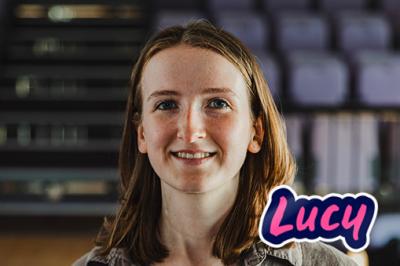
I looked and felt so different after cancer - it stopped making sense. Read Lucy’s story.
Lucy struggled with her sense of self as cancer treatment changed her appearance. She shares how she regained her identity and rediscovered her passions.

I didn’t recognise myself during cancer - now I’m a Miss Teen GB finalist. Read Billie’s Story.
Billie was a dancer, model and gymnast before being diagnosed with Hodgkin lymphoma aged just 13. She shares how she rebuilt her confidence after experiencing hair loss and weight changes during treatment.